

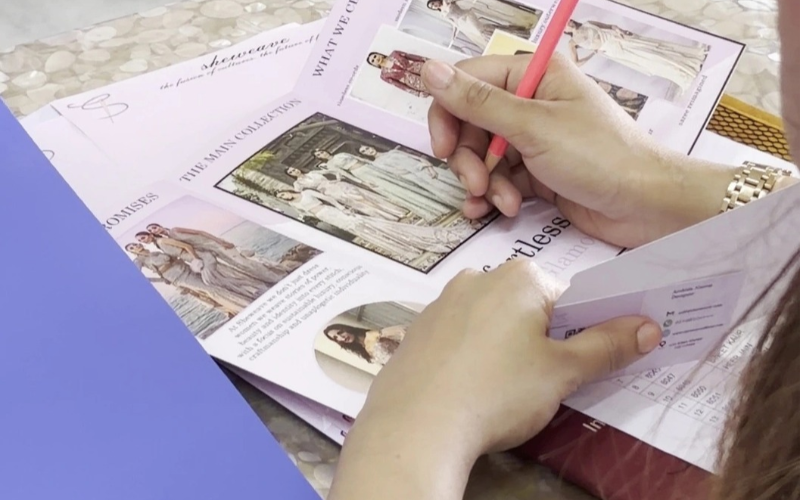
A portfolio is more than just a collection of creative work; it is a reflection of a student’s imagination, design sensibility, technical skills, and creative journey. Whether applying for admission to a design institute, seeking an internship, or preparing for a professional opportunity, a well-presented portfolio can make a lasting impression.As a design faculty, I often observe students making a few common mistakes that prevent their portfolios from showcasing their true potential. Here are five basic mistakes students should avoid while creating their design portfolios.
1. Focusing More on Decoration Than Design
One of the most common mistakes is making the portfolio visually attractive without giving enough importance to the actual design process. Excessive use of colours, fonts, graphics, and decorative elements can distract the viewer from the work itself.Keep the layout clean, balanced, and consistent. Let your creativity shine through your projects rather than unnecessary decoration.
2. Not Showing the Design Process
Students often present only their final designs, overlooking the research, inspiration, mood boards, rough sketches, experimentation, and development stages. However, design is not just about the final outcome; it is also about the journey behind it.Include research pages, concept development, rough sketches, material exploration, and final outcomes to demonstrate your thought process and problem-solving abilities.
3. Poor Image Quality and Presentation
Even a brilliant design project can lose its impact if photographs are blurred, poorly lit, or carelessly arranged. Crooked images, inconsistent backgrounds, and low-resolution visuals can make the portfolio appear unprofessional.Use clear, high-quality photographs, maintain proper alignment, and ensure that every visual is presented neatly.
4. Lack of Organisation and Storytelling
A portfolio without a proper sequence can confuse the viewer. Randomly placing projects without introducing their concepts or explaining their purpose makes it difficult to understand the student’s creative approach.Organise projects logically. Begin with a strong introduction, followed by selected projects with clear titles, concepts, inspiration, and outcomes. Create a visual flow that connects one page to another.
5. Including Too Much Work Without Selection
Many students believe that a portfolio becomes impressive by including every assignment they have completed. In reality, too many repetitive or unfinished projects can reduce its overall impact.Be selective. Include your strongest and most relevant projects that demonstrate creativity, originality, technical ability, and versatility. Remember, quality always matters more than quantity.
Final Thoughts:
A successful design portfolio is not about filling pages; it is about communicating ideas effectively. It should tell a story about who you are as a designer, how you think, how you experiment, and how you transform ideas into creative outcomes.A portfolio is your visual identity. Make every page meaningful, every project purposeful, and every presentation a reflection of your creative potential.
